
Search
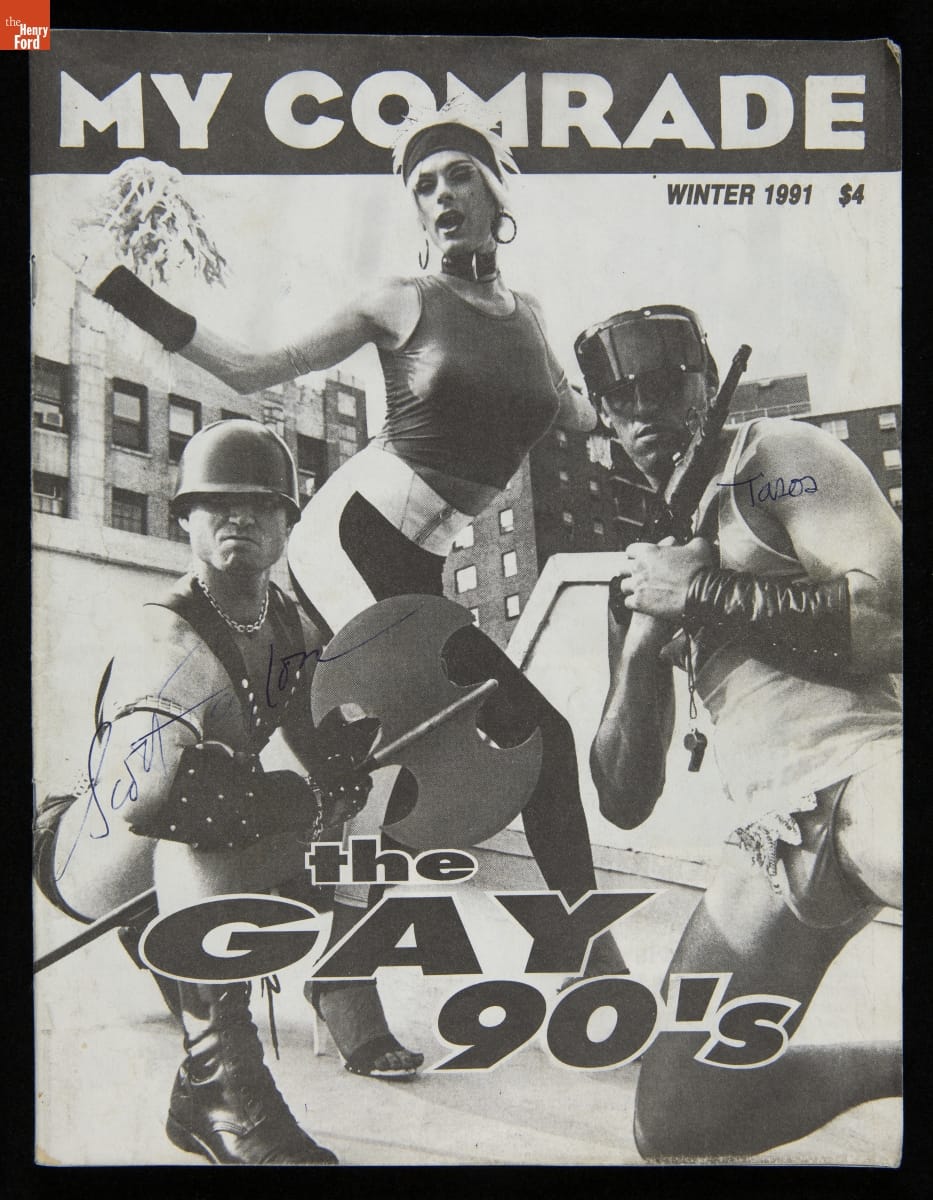
- "My Comrade" and "Sister!" Magazines, Winter 1991 - <em>My Comrade</em> was an underground "zine" launched in 1987 by drag queen Linda Simpson. The magazine was an irreverent platform for LGBTQ+ culture and politics in NYC's East Village, advertising itself as "the court jester of the queer press." <em>My Comrade</em> focused on drag queens, and the flip side of each issue also contained <em>Sister!</em>--a zine celebrating lesbian community.
- 1991
- Collections - Artifact
"My Comrade" and "Sister!" Magazines, Winter 1991
My Comrade was an underground "zine" launched in 1987 by drag queen Linda Simpson. The magazine was an irreverent platform for LGBTQ+ culture and politics in NYC's East Village, advertising itself as "the court jester of the queer press." My Comrade focused on drag queens, and the flip side of each issue also contained Sister!--a zine celebrating lesbian community.
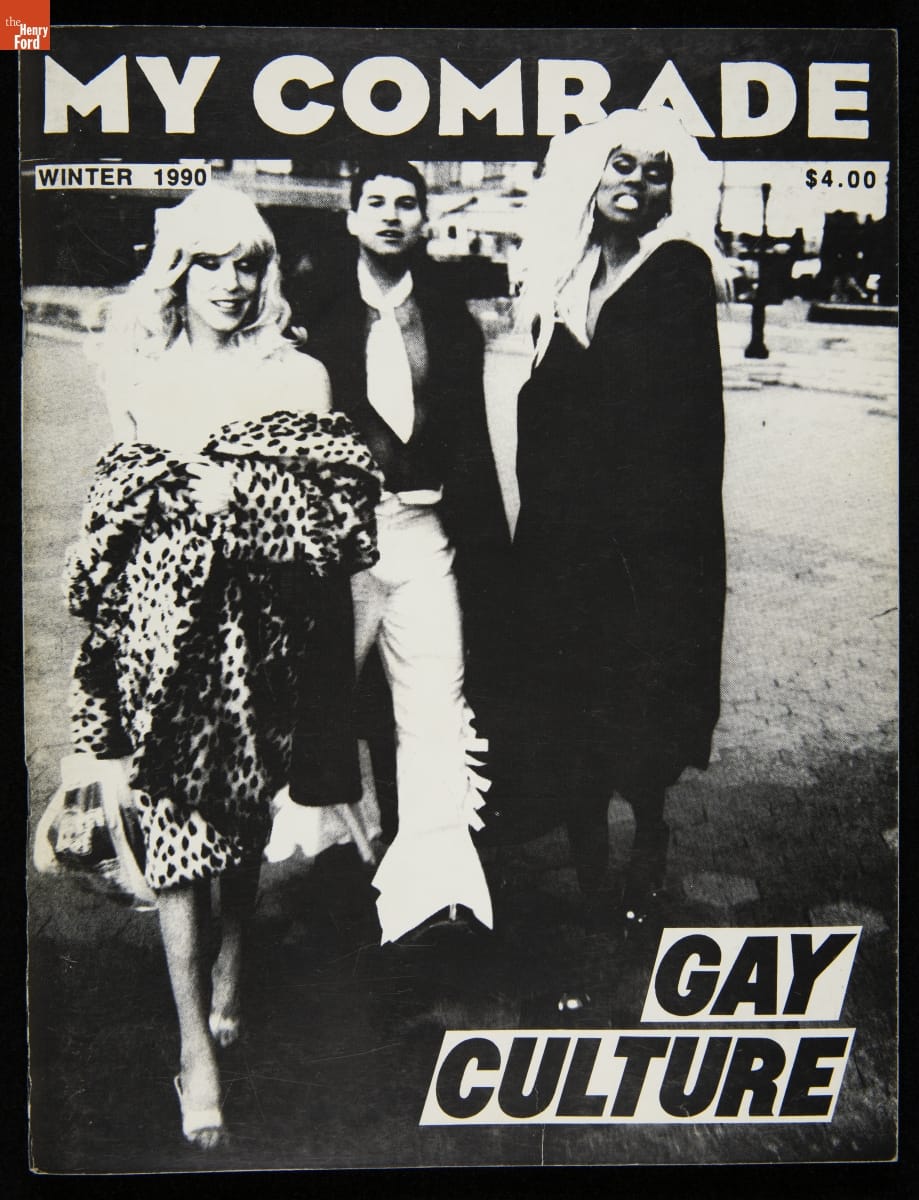
- "My Comrade" and "Sister!" Magazines, Winter 1990 - <em>My Comrade</em> was an underground "zine" launched in 1987 by drag queen Linda Simpson. The magazine was an irreverent platform for LGBTQ+ culture and politics in NYC's East Village, advertising itself as "the court jester of the queer press." <em>My Comrade</em> focused on drag queens, and the flip side of each issue also contained <em>Sister!</em>--a zine celebrating lesbian community.
- 1990
- Collections - Artifact
"My Comrade" and "Sister!" Magazines, Winter 1990
My Comrade was an underground "zine" launched in 1987 by drag queen Linda Simpson. The magazine was an irreverent platform for LGBTQ+ culture and politics in NYC's East Village, advertising itself as "the court jester of the queer press." My Comrade focused on drag queens, and the flip side of each issue also contained Sister!--a zine celebrating lesbian community.
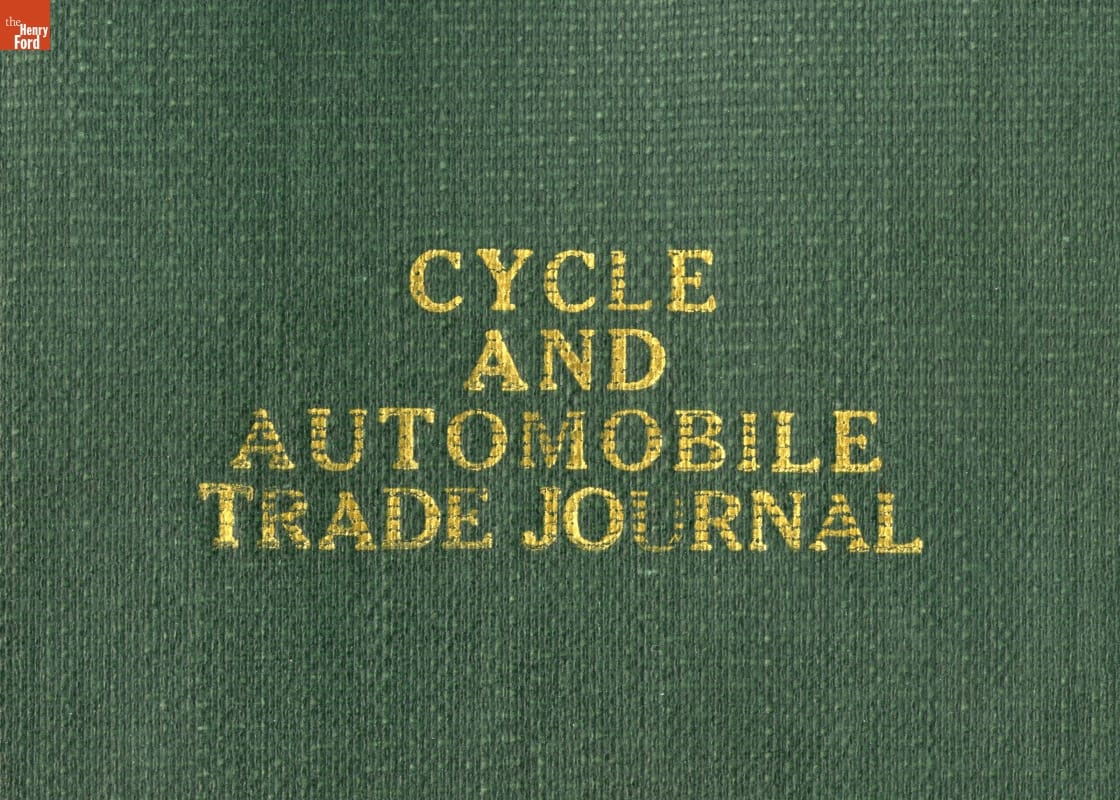
- Cycle and Automobile Trade Journal Bound Magazines for January-July 1903 (Volume 7) - <em>Cycle and Automobile Trade Journal</em> provided readers with news and reports about automobiles, automobile products, events, and advocacy. This publication also carried numerous advertisements. Car companies promoted their vehicles. Inventors touted new products. And buyers had a variety of choices.
- 1903
- Collections - Artifact
Cycle and Automobile Trade Journal Bound Magazines for January-July 1903 (Volume 7)
Cycle and Automobile Trade Journal provided readers with news and reports about automobiles, automobile products, events, and advocacy. This publication also carried numerous advertisements. Car companies promoted their vehicles. Inventors touted new products. And buyers had a variety of choices.
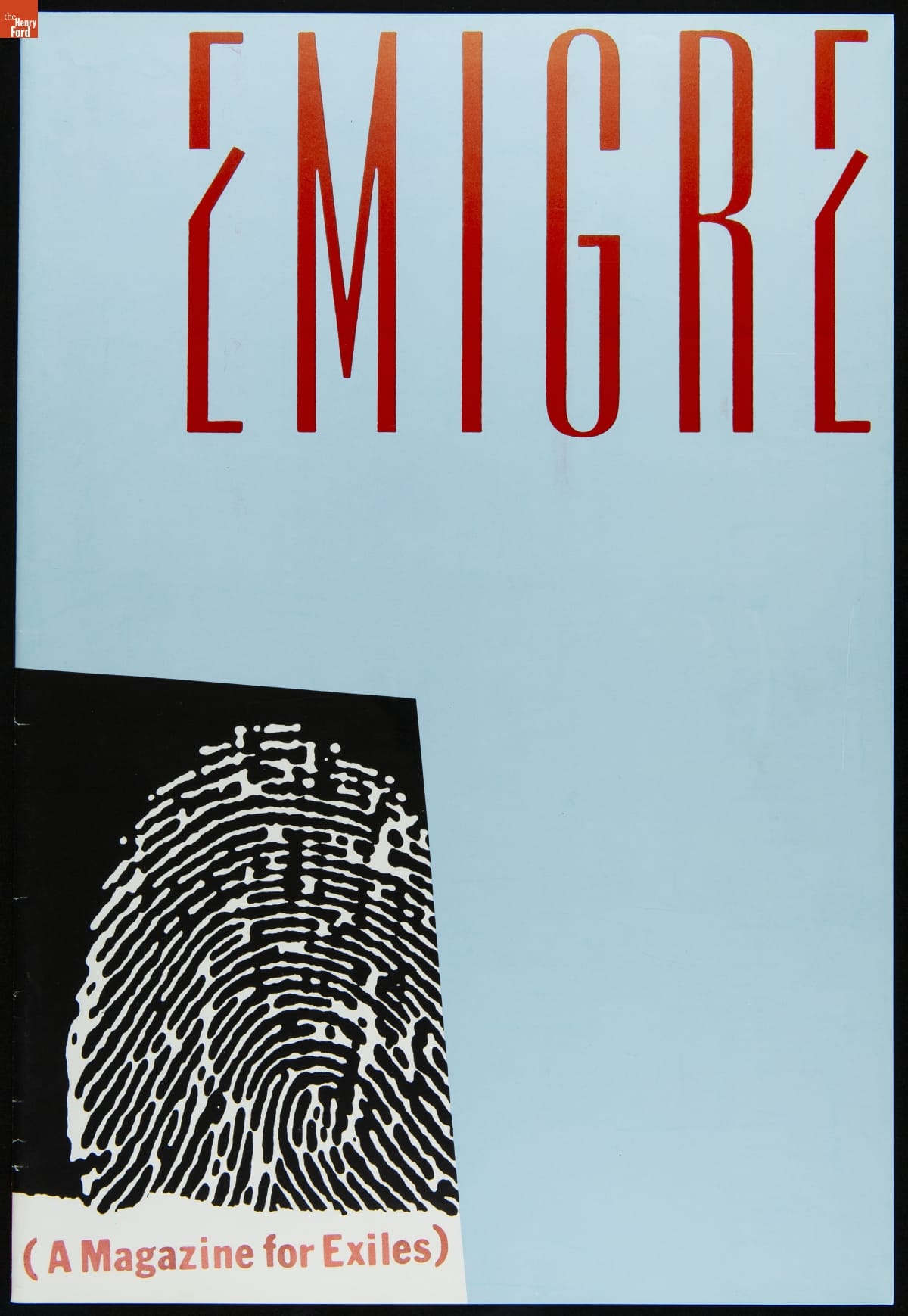
- Magazine, Emigre No. 1, "A Magazine for Exiles," 1984 - Emigre is a digital type foundry established by Rudy VanderLans and Zuzana Licko. The company's history is linked with the introduction of the 1984 Macintosh computer, used to design their early bitmapped typefaces. Emigre's digital work gained notoriety -- defying visual communication standards with fractured, layered combinations of text and image. <em>Emigre</em> magazine showcased their fonts and promoted groundbreaking designers.
- 1984
- Collections - Artifact
Magazine, Emigre No. 1, "A Magazine for Exiles," 1984
Emigre is a digital type foundry established by Rudy VanderLans and Zuzana Licko. The company's history is linked with the introduction of the 1984 Macintosh computer, used to design their early bitmapped typefaces. Emigre's digital work gained notoriety -- defying visual communication standards with fractured, layered combinations of text and image. Emigre magazine showcased their fonts and promoted groundbreaking designers.
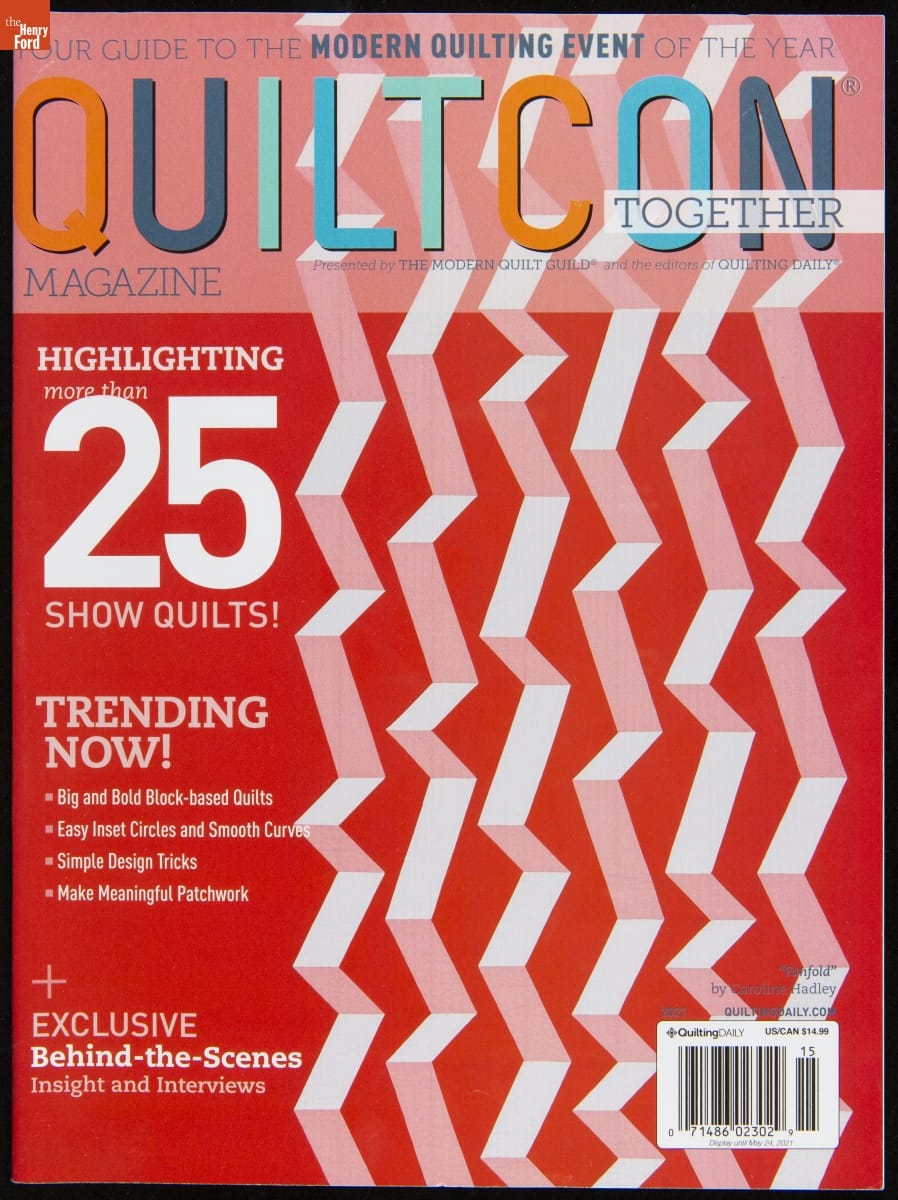
- QuiltCon Magazine, 2021 -
- 2021
- Collections - Artifact
QuiltCon Magazine, 2021
- Going Hollywood: Movie Fan Magazines - From the very beginning of the movie business, Americans wanted to know about the movies and their stars, and so in February 1911, the first movie fan magazine was born. Learn more about the history of these magazines.

- February 27, 2014
- Collections - article
Going Hollywood: Movie Fan Magazines
From the very beginning of the movie business, Americans wanted to know about the movies and their stars, and so in February 1911, the first movie fan magazine was born. Learn more about the history of these magazines.
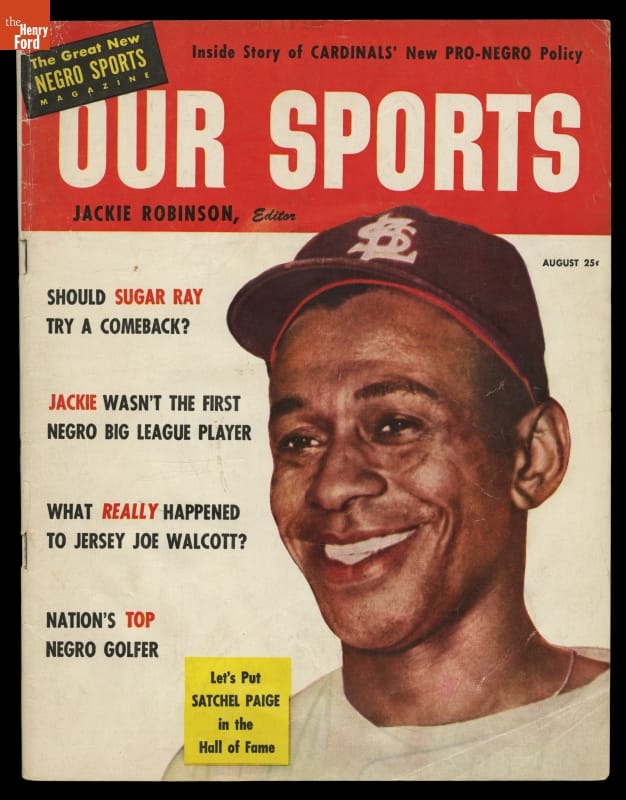
- Magazine, "Our Sports, The Negro's Own Sports Magazine," August 1953 - This magazine, billed as the "Negro's Own Sports Magazine," ran for five issues in 1953. Jackie Robinson, the first African American to play major league baseball, was ostensibly the editor. At this time, African-American athletes were becoming involved in every major spectator sport. The cover article features baseball pitching great and future Hall of Famer, Satchel Paige.
- August 01, 1953
- Collections - Artifact
Magazine, "Our Sports, The Negro's Own Sports Magazine," August 1953
This magazine, billed as the "Negro's Own Sports Magazine," ran for five issues in 1953. Jackie Robinson, the first African American to play major league baseball, was ostensibly the editor. At this time, African-American athletes were becoming involved in every major spectator sport. The cover article features baseball pitching great and future Hall of Famer, Satchel Paige.
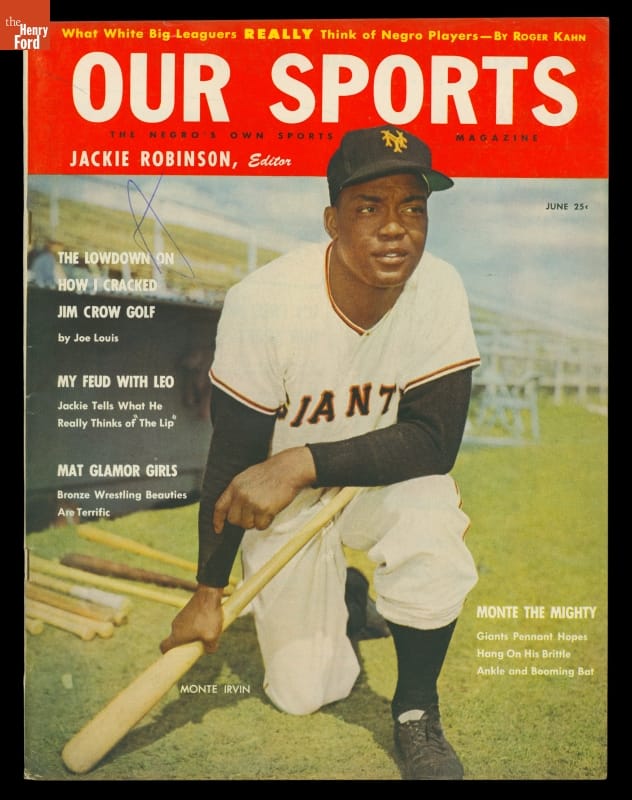
- Magazine, "Our Sports, The Negro's Own Sports Magazine," June 1953 - This magazine, billed as the "Negro's Own Sports Magazine," ran for five issues in 1953. Jackie Robinson, the first African American to play major league baseball, was ostensibly the editor. At this time, African-American athletes were becoming involved in every major spectator sport. The cover article features baseball great Monte Irvin, who had signed with the New York Giants in 1949.
- June 01, 1953
- Collections - Artifact
Magazine, "Our Sports, The Negro's Own Sports Magazine," June 1953
This magazine, billed as the "Negro's Own Sports Magazine," ran for five issues in 1953. Jackie Robinson, the first African American to play major league baseball, was ostensibly the editor. At this time, African-American athletes were becoming involved in every major spectator sport. The cover article features baseball great Monte Irvin, who had signed with the New York Giants in 1949.
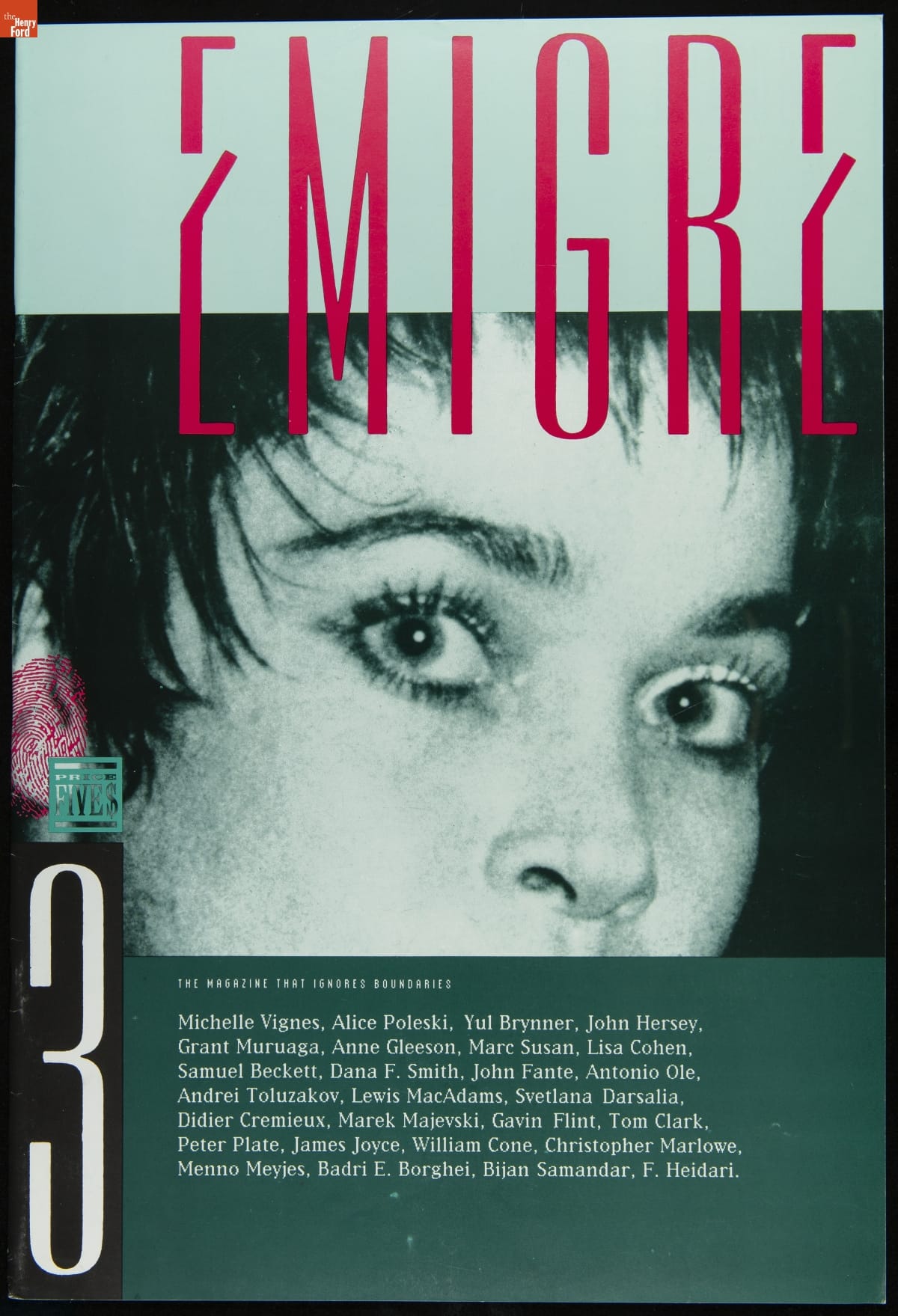
- Magazine, Emigre No. 3, "The Magazine That Ignores Boundaries," 1985 - Emigre is a digital type foundry established by Rudy VanderLans and Zuzana Licko. The company's history is linked with the introduction of the 1984 Macintosh computer, used to design their early bitmapped typefaces. Emigre's digital work gained notoriety -- defying visual communication standards with fractured, layered combinations of text and image. <em>Emigre</em> magazine showcased their fonts and promoted groundbreaking designers.
- 1985
- Collections - Artifact
Magazine, Emigre No. 3, "The Magazine That Ignores Boundaries," 1985
Emigre is a digital type foundry established by Rudy VanderLans and Zuzana Licko. The company's history is linked with the introduction of the 1984 Macintosh computer, used to design their early bitmapped typefaces. Emigre's digital work gained notoriety -- defying visual communication standards with fractured, layered combinations of text and image. Emigre magazine showcased their fonts and promoted groundbreaking designers.
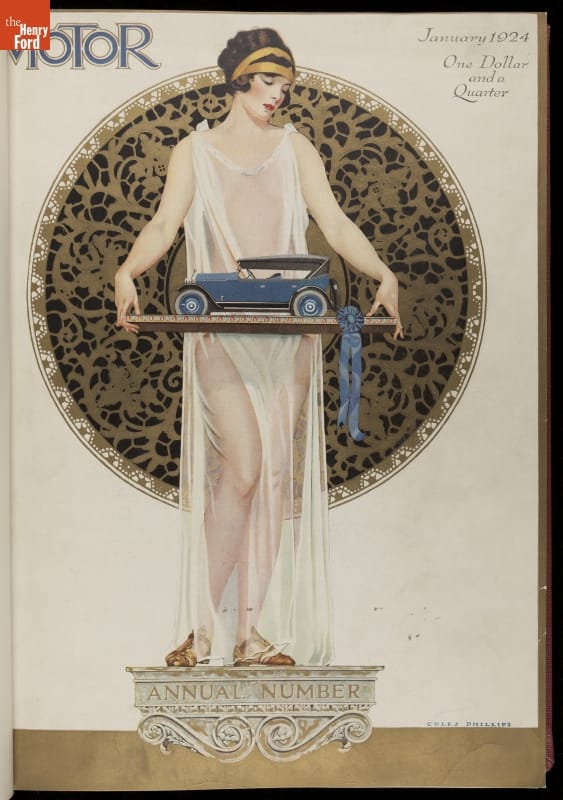
- Magazine, "Motor," January 1924 - <em>Motor</em> magazine was filled with useful information for car owners. In this issue is an ad for the "Safe-T-Arm," a device to help drivers indicate whether they were going to turn left or right, drive forward -- or stop. It was one of many signaling systems on the market. In the early 1920s, hand or mechanical signals were not legally required of drivers!
- January 01, 1924
- Collections - Artifact
Magazine, "Motor," January 1924
Motor magazine was filled with useful information for car owners. In this issue is an ad for the "Safe-T-Arm," a device to help drivers indicate whether they were going to turn left or right, drive forward -- or stop. It was one of many signaling systems on the market. In the early 1920s, hand or mechanical signals were not legally required of drivers!