
Search
- Transoceanic Voice Cables, circa 1956 - The opening of the TAT-1 (Transatlantic No. 1) cable in 1956 made it possible to place long-distance telephone calls across the Atlantic Ocean. Until this cable was installed, voice transmission over long distances occurred through an unreliable and expensive radio relay system. The TAT-1 responded to an increased demand for instant communication, establishing the first accessible international telephone service.
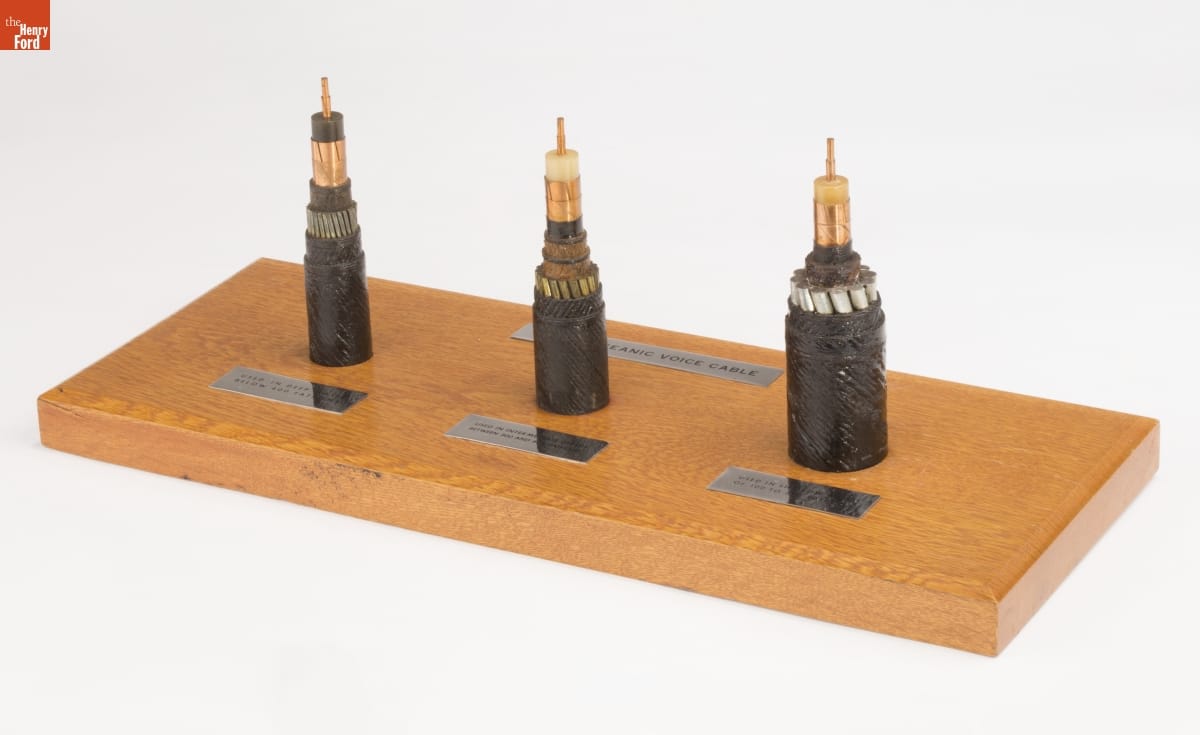
- circa 1956
- Collections - Artifact
Transoceanic Voice Cables, circa 1956
The opening of the TAT-1 (Transatlantic No. 1) cable in 1956 made it possible to place long-distance telephone calls across the Atlantic Ocean. Until this cable was installed, voice transmission over long distances occurred through an unreliable and expensive radio relay system. The TAT-1 responded to an increased demand for instant communication, establishing the first accessible international telephone service.
- Cable -
- Collections - Artifact
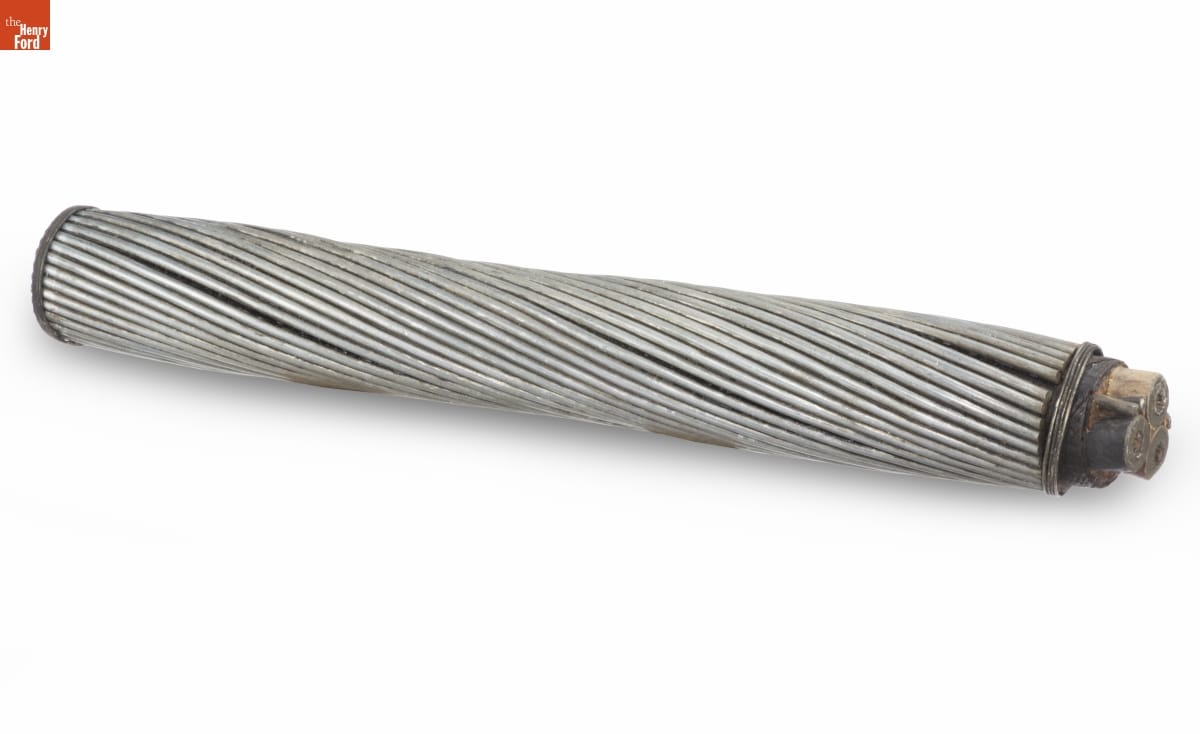
Cable
- Section of the Second Transatlantic Cable, 1865-1866 - Celebrations surrounding the installation of the 1858 transatlantic telegraph cable were short-lived. Three weeks after it was laid, it succeeded, faltered--and then failed. In 1866, a second cable was installed by the SS <em>Great Eastern</em>. This cable was more durable and able to send messages eighty times faster than the original.
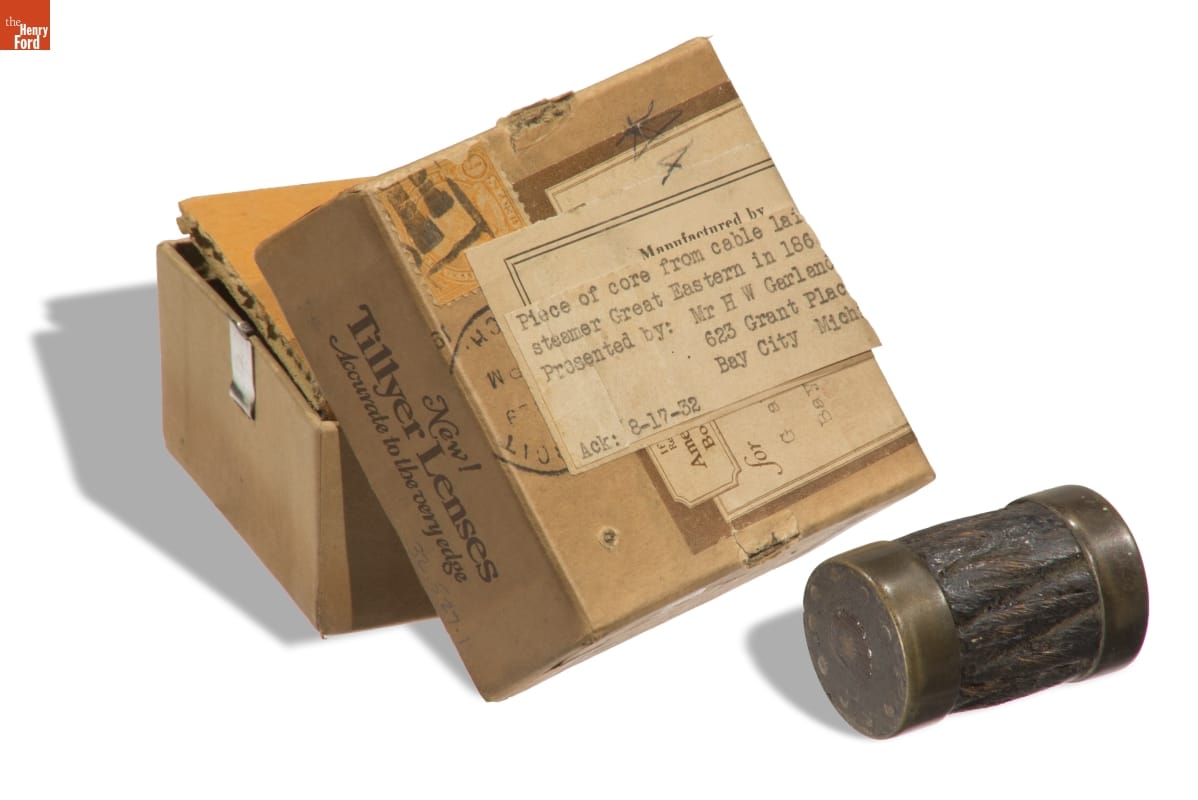
- 1865-1866
- Collections - Artifact
Section of the Second Transatlantic Cable, 1865-1866
Celebrations surrounding the installation of the 1858 transatlantic telegraph cable were short-lived. Three weeks after it was laid, it succeeded, faltered--and then failed. In 1866, a second cable was installed by the SS Great Eastern. This cable was more durable and able to send messages eighty times faster than the original.
- PCR-MATE Model 391 DNA/RNA Synthesizer, 1991-1993 -
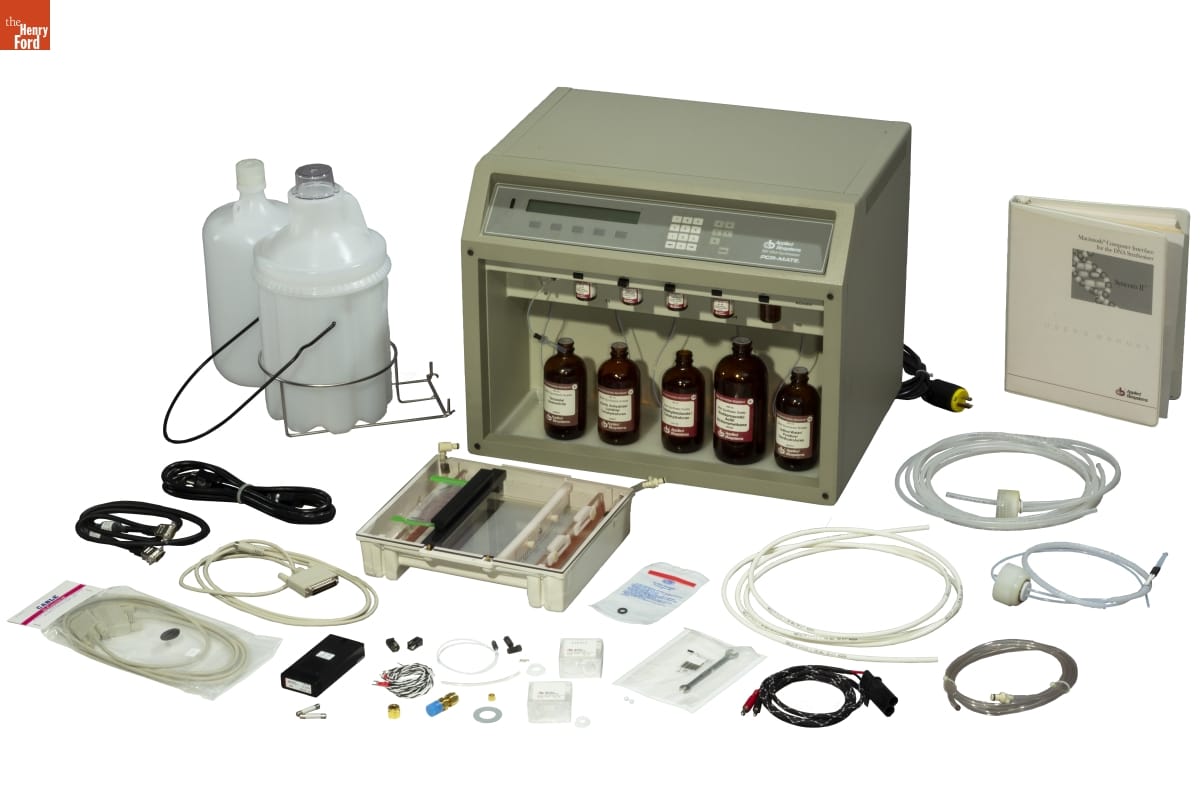
- 1991-1993
- Collections - Artifact
PCR-MATE Model 391 DNA/RNA Synthesizer, 1991-1993
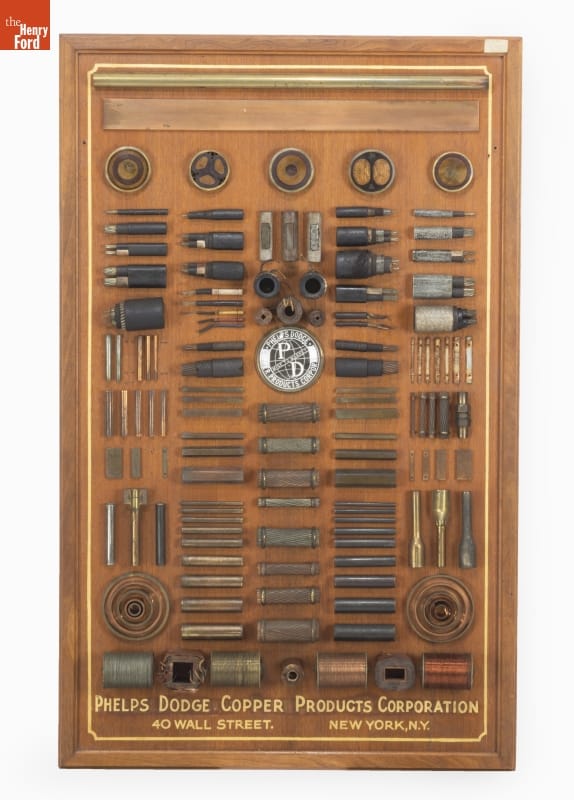
- Phelps Dodge Copper Products Display Board, 1930-1950 -
- 1930-1950
- Collections - Artifact
Phelps Dodge Copper Products Display Board, 1930-1950
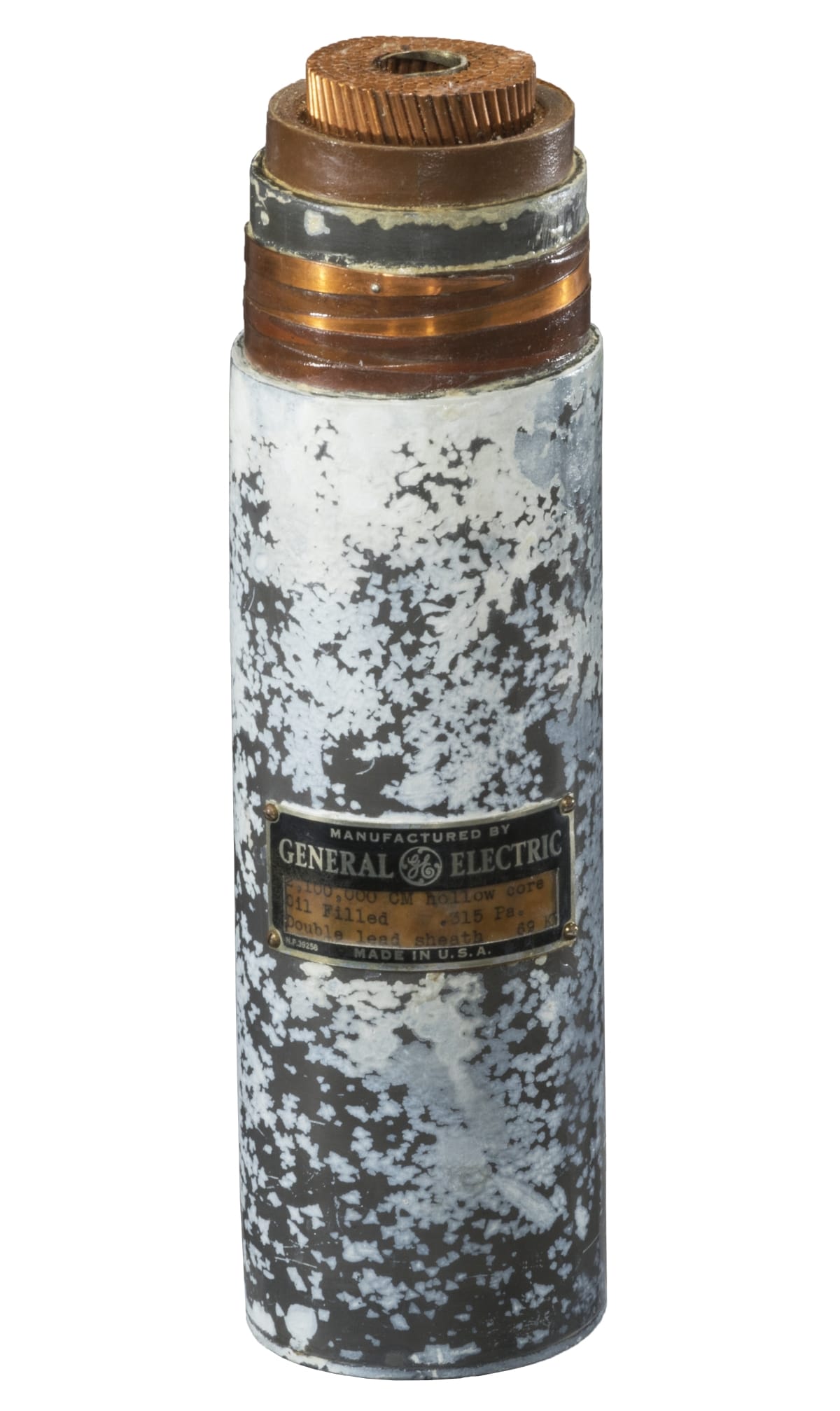
- General Electric Cable Section -
- Collections - Artifact
General Electric Cable Section
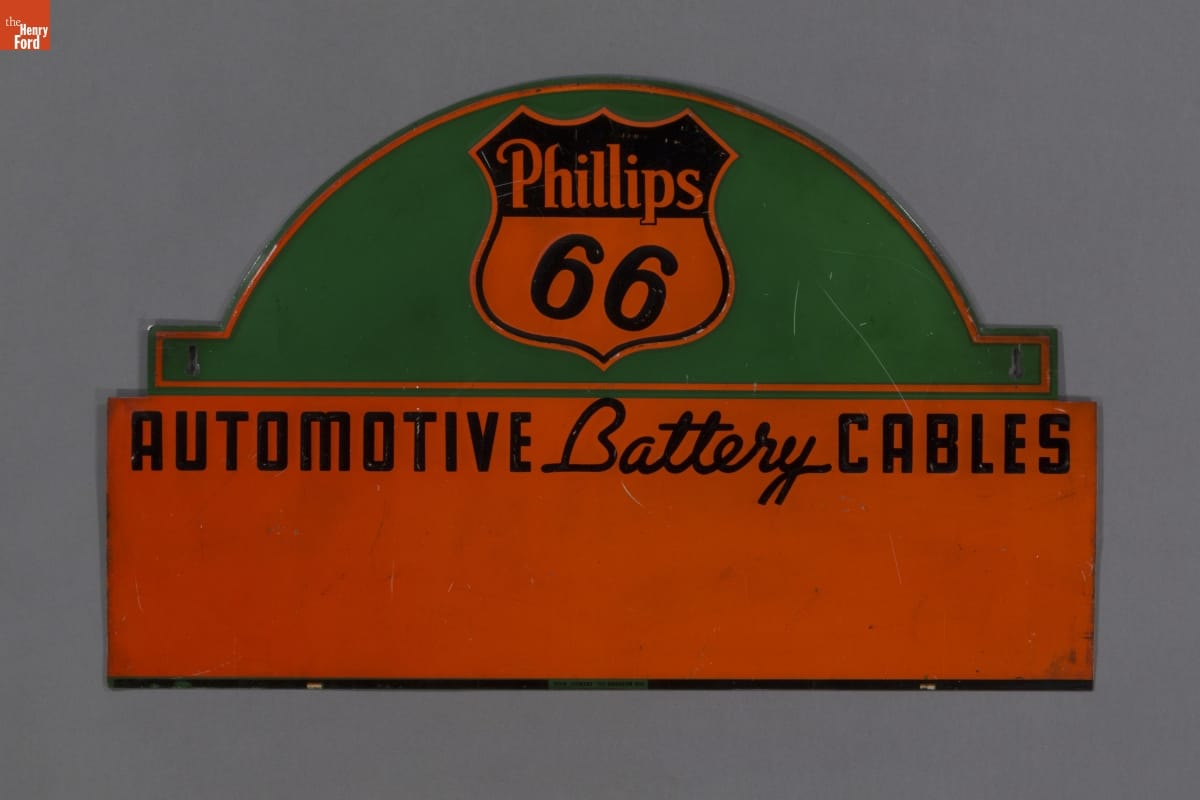
- Phillips 66 Automotive Battery Cables Sign, 1930-1950 - Phillips Petroleum Company was formed in 1917 by brothers Frank and Lee Phillips of Oklahoma. The company introduced its "Phillips 66" shield trademark in 1930 -- reportedly after testing a gasoline blend while traveling at 66 miles per hour along U.S. Highway 66. Phillips merged with Conoco in 2002, but the Phillips 66 brand continued to be used on some gas stations.
- 1930-1950
- Collections - Artifact
Phillips 66 Automotive Battery Cables Sign, 1930-1950
Phillips Petroleum Company was formed in 1917 by brothers Frank and Lee Phillips of Oklahoma. The company introduced its "Phillips 66" shield trademark in 1930 -- reportedly after testing a gasoline blend while traveling at 66 miles per hour along U.S. Highway 66. Phillips merged with Conoco in 2002, but the Phillips 66 brand continued to be used on some gas stations.
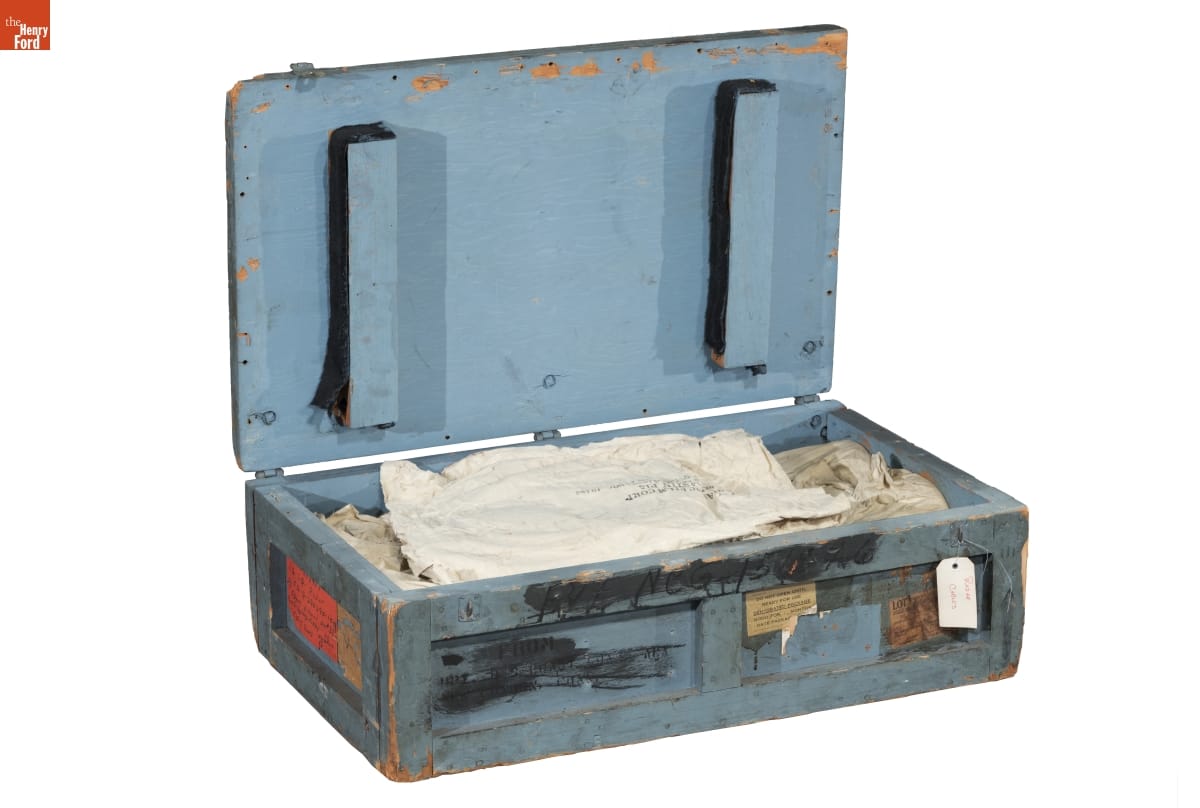
- Cables for Radar Assembly -
- Collections - Artifact
Cables for Radar Assembly
- Transatlantic Cable, 1873 - This cable is part of a display of transatlantic telegraph cables dating from 1858-1928. This cable section was part of a system laid from Heart's Content, Newfoundland, Canada to Valencia, Ireland in 1873.
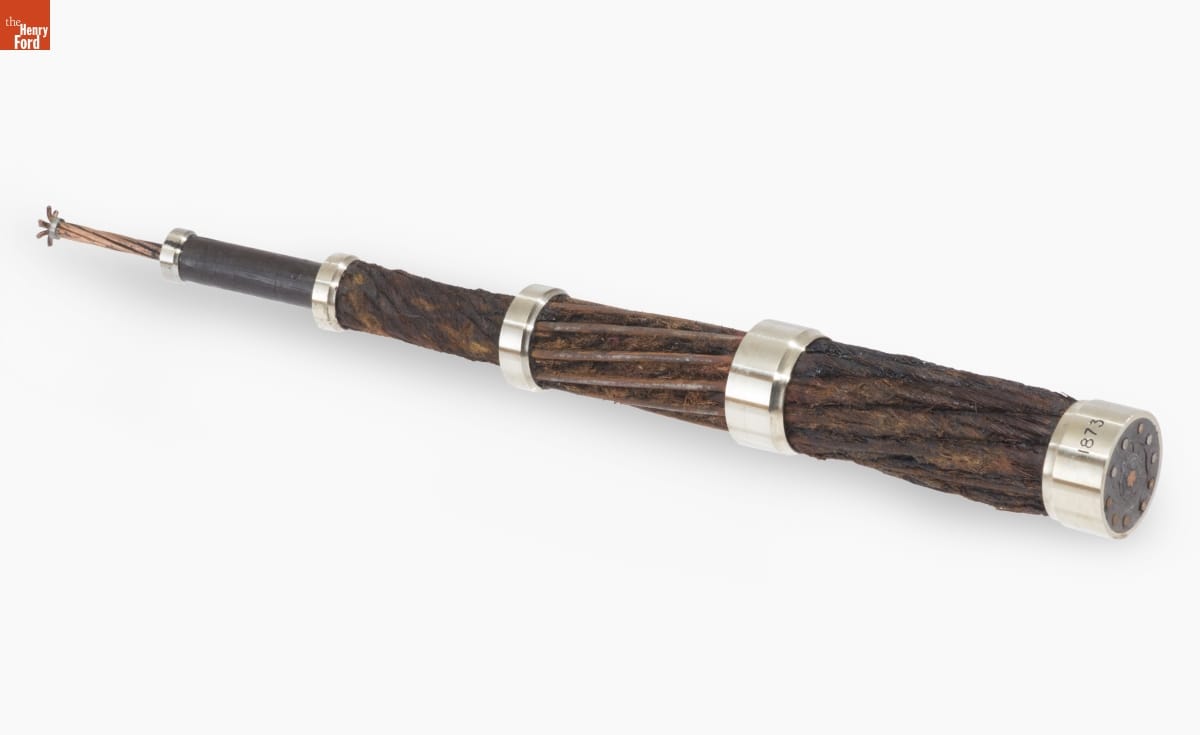
- 1873
- Collections - Artifact
Transatlantic Cable, 1873
This cable is part of a display of transatlantic telegraph cables dating from 1858-1928. This cable section was part of a system laid from Heart's Content, Newfoundland, Canada to Valencia, Ireland in 1873.
- Transatlantic Cable, 1882 - This cable is part of a display of transatlantic telegraph cables dating from 1858-1928. This cable section was part of a system laid from Sennen Cove, England and Canso, Nova Scotia, Canada in 1882.
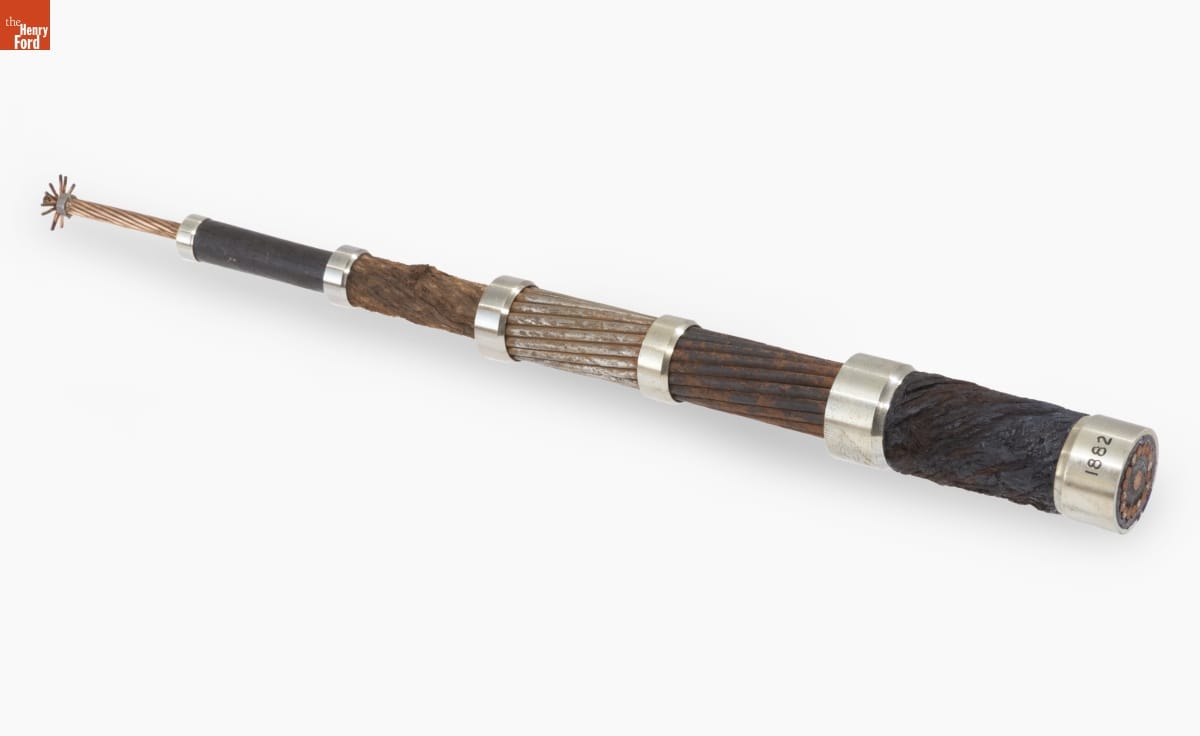
- 1882
- Collections - Artifact
Transatlantic Cable, 1882
This cable is part of a display of transatlantic telegraph cables dating from 1858-1928. This cable section was part of a system laid from Sennen Cove, England and Canso, Nova Scotia, Canada in 1882.